Estate Planning
Twelve documents. One plain conversation.
Wills, trusts, powers of attorney and the deeds that keep a house out of probate court, explained the way our clients say we explain everything: clearly, and without the rush.
What an estate plan is actually made of
An estate plan is never one document. It is a small set of them, each doing a different job, and which ones a family actually needs depends on their assets and what they are trying to avoid. A will tells the probate court who receives your assets. A trust can skip that court process for the assets inside it, which usually means less time, less cost and less stress for the people you leave it to, and it stays private where a probate filing does not. Powers of attorney name someone you already trust to step in, financially or medically, the moment you no longer can. We start every estate plan the same way, with one plain conversation about your family and your assets, before a single document gets drafted.
Who sits across the table
Michael E. Ciccolini has practiced estate planning and probate law in Akron since 1984 and serves on the Akron Bar Association's Probate Committee. His daughter Maria T. Ciccolini, a summa cum laude graduate of The University of Akron School of Law, handles estate planning alongside trust and probate administration. David Wareham concentrates his own practice on estate and Medicaid planning and on Veterans benefits. All three meet with estate planning clients directly.
Ciccolini & Associates, Akron Bar Association | Ohio State Bar Association Call (330) 753-1051.

The building blocks
Twelve real instruments, not a menu of options.
Every estate plan we write is built from some combination of these. None of them is optional filler; each one solves a specific problem, and the first conversation is about which of these your family actually needs.
Revocable Trusts
Ensures the assets in the trust are transferred without a probate court proceeding. In most instances that means less time, less cost and less stress for your family, and unlike a probate filing, a Revocable Trust is administered privately.
Irrevocable & Asset Protection Trusts
Provide additional protection for your assets, shielding them from creditors and certain legal claims while potentially offering tax advantages.
Last Will & Testament
Instructs the probate court who shall receive your assets after your death.
Health Care Power of Attorney
Appoints an Agent to make your healthcare decisions if you are ever unable to make them yourself, whether from an accident, dementia or another illness.
Living Will
States your wishes about artificial means to keep you alive if doctors determine you are permanently unconscious or terminally ill and not likely to recover.
Durable Power of Attorney
Authorizes a trusted person to handle your financial or legal matters on your behalf, providing continuity and protection for your affairs.
Funeral Planning Authorization
Documents your preferences for a funeral or memorial service in a Disposition Declaration, easing that decision for your family during a difficult time.
General Warranty Deeds
Protects your ownership interest when you transfer real property.
Survivorship Deeds
Transfers real estate without probate court involvement. A survivorship deed is effective during your life.
Transfer on Death Affidavits
A deed that becomes effective only after the death of the owner.
Special Needs Trust
Ensures a loved one with disabilities receives care and financial support without jeopardizing their eligibility for government benefits.
Medicaid Planning
Plans ahead to preserve assets while qualifying for Medicaid, so long-term care is available without unnecessary financial loss.
Three generations, one firm
The people who will actually read your file.
Michael E. Ciccolini
Attorney
Drafting wills, trusts and administering estates in probate court for more than thirty years.
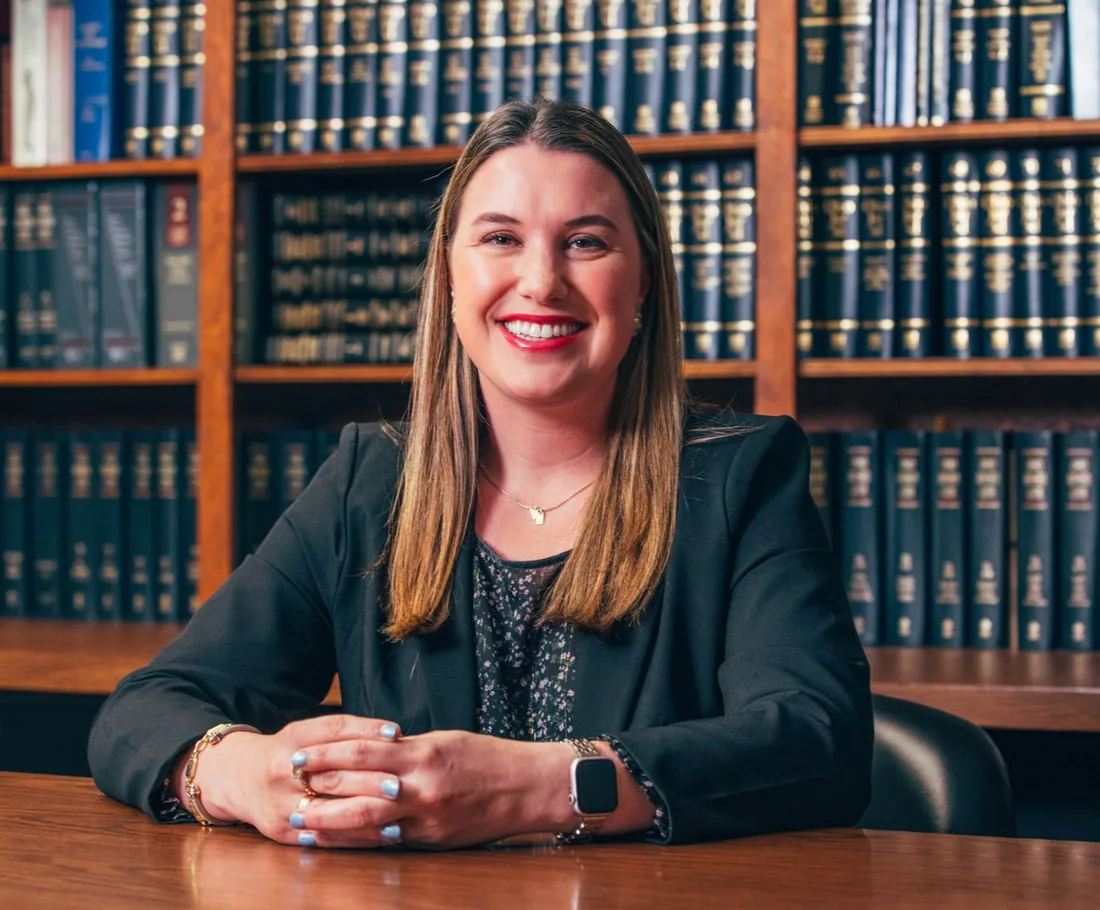
Maria T. Ciccolini
Attorney
Estate planning alongside trust and probate administration, continuing her father and grandfather's practice.

David Wareham
Attorney
Concentrates on estate and Medicaid planning and on Veterans benefits.
Questions we hear most
Before your first estate planning conversation
The information on this website is provided for general informational purposes only and is not legal advice. Viewing this site, contacting the firm, or sending a message through it does not create an attorney-client relationship. An attorney-client relationship is formed only by a signed written agreement. Do not send confidential information until such an agreement is in place. Prior results do not guarantee a similar outcome.