What an Executor in Summit County Actually Has to Do
Being named executor sounds like an honor until the paperwork shows up. Here's the general shape of what the job actually asks of you.
September 2, 2026 · 3 min read
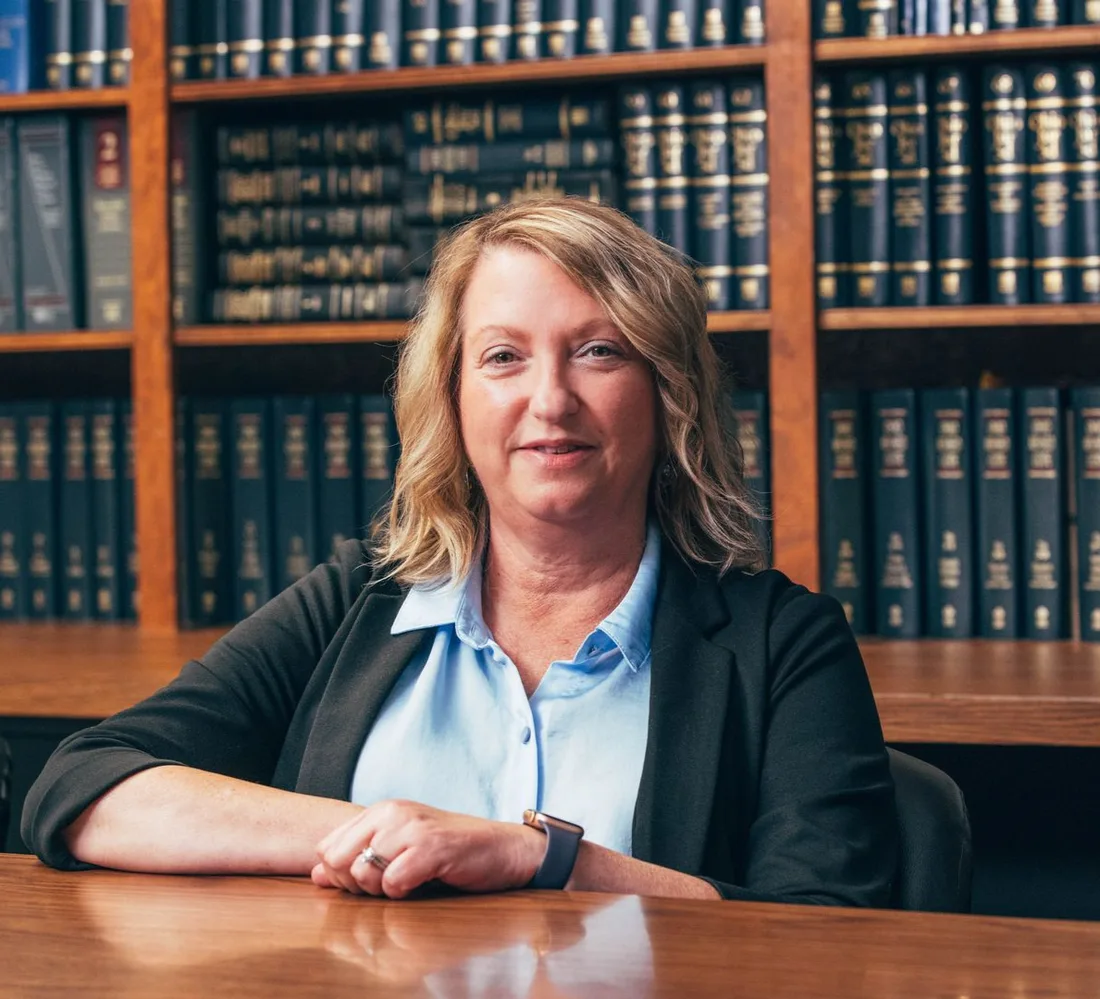
Somebody you loved named you executor of their estate, and now you're holding a folder of paperwork and no clear sense of what happens next. That reaction is normal. Being an executor is a real job with real responsibility attached to it, and almost nobody has done it before the first time it lands on them. Here's the general shape of what it involves, in plain terms.
The job in three parts
At its core, serving as executor means shepherding the estate through probate, the court-supervised process of validating the will, settling any debts the estate owes, and distributing what's left to the people named to receive it. Those three pieces, validate, settle, distribute, happen in that general order, and the probate court oversees the process from start to finish. The court isn't there to make things harder. It's there to make sure everything is done properly and everyone gets what they're owed.
Where a probate paralegal actually helps
This is where most of the actual paperwork happens, and it's also where most executors realize they'd rather not be doing this alone. A probate paralegal handles the mechanics day to day so the executor isn't guessing at forms or deadlines on their own.
- Initiating the probate estate with the court
- Handling the executor or executrix appointment itself
- Preparing affidavits, such as an affidavit of surviving spouse, where they apply
- Trust accounting, if the estate involves a trust alongside the will
- Deed preparation and transfers for any real estate the estate holds
Our own probate paralegal, Lori Palermo, has spent more than thirty years doing exactly this kind of work for Summit County families, and she's the person most of our probate and trust administration clients end up talking to most often during the process.
What that actually feels like week to week
For most executors, the job isn't one big dramatic task. It's a string of smaller ones stretched over months: gathering account statements, keeping the household bills paid, fielding phone calls from relatives who want to know what's happening, and making sure paperwork gets filed rather than piling up on a kitchen counter. None of it is complicated in isolation. What makes it hard is doing all of it at once, while grieving, without having done it before. That's the gap a probate paralegal and an attorney are there to close.
When there's no will at all
Sometimes there's no will, and someone still has to step forward to open the estate and get it through the court. The probate court still oversees that process the same way it would with a will in place, and if anything, having guidance matters even more when there's no document spelling out the deceased person's wishes.
Trust administration is a different track
If the person who passed away had funded a revocable trust, the role looks different. Assets held in a properly funded trust transfer to beneficiaries without going through probate court at all. Whoever is named trustee still has real duties, including trust accounting and making sure distributions happen the way the trust document says they should, but the court isn't overseeing every step the way it does with probate.
Why it helps to have the same person the whole way through
Probate cases tend to drag on longest when different people are handling different pieces without talking to each other, an accountant here, a distant relative there, a form downloaded from somewhere online. Attorney Michael Ciccolini has sat on the Akron Bar Association's Probate Committee for years, on top of decades of hands-on probate court work, and our probate paralegal Lori Palermo has specialized in exactly this kind of estate work since 2013. Having one team follow the estate from the first filing to the final distribution tends to mean fewer dropped threads and fewer surprises for the executor caught in the middle.
You don't have to figure this out by reading a statute
If you've just been named executor, or you're already in the middle of it and things aren't making sense, that's a normal place to be. Our firm has guided Summit County families through probate and trust administration for more than four decades, and we handle it with clarity and efficiency because that's what a family in this position actually needs. This article explains the general shape of the process. It's not legal advice, and reading it doesn't create an attorney-client relationship. Your estate, your timeline, and your specific obligations depend on the facts of your situation, and that's worth a real conversation before you act on anything here.
Ciccolini & Associates Co., L.P.A. — (330) 753-1051
Call (330) 753-1051More articles
Probate vs. a Trust: What Actually Changes for Your Family in Ohio
Probate and a revocable trust both get your assets to the people you love. They just do it in very different ways, and the difference matters more than most people expect.
When It's Time to Consider Guardianship for an Aging Parent
There's rarely one clear moment that tells you a parent needs help. Here's how to think about the decision, and what guardianship is actually for.